
Ready to Travel Solo? A Beginner’s Guide to Taking Your First Trip Alone
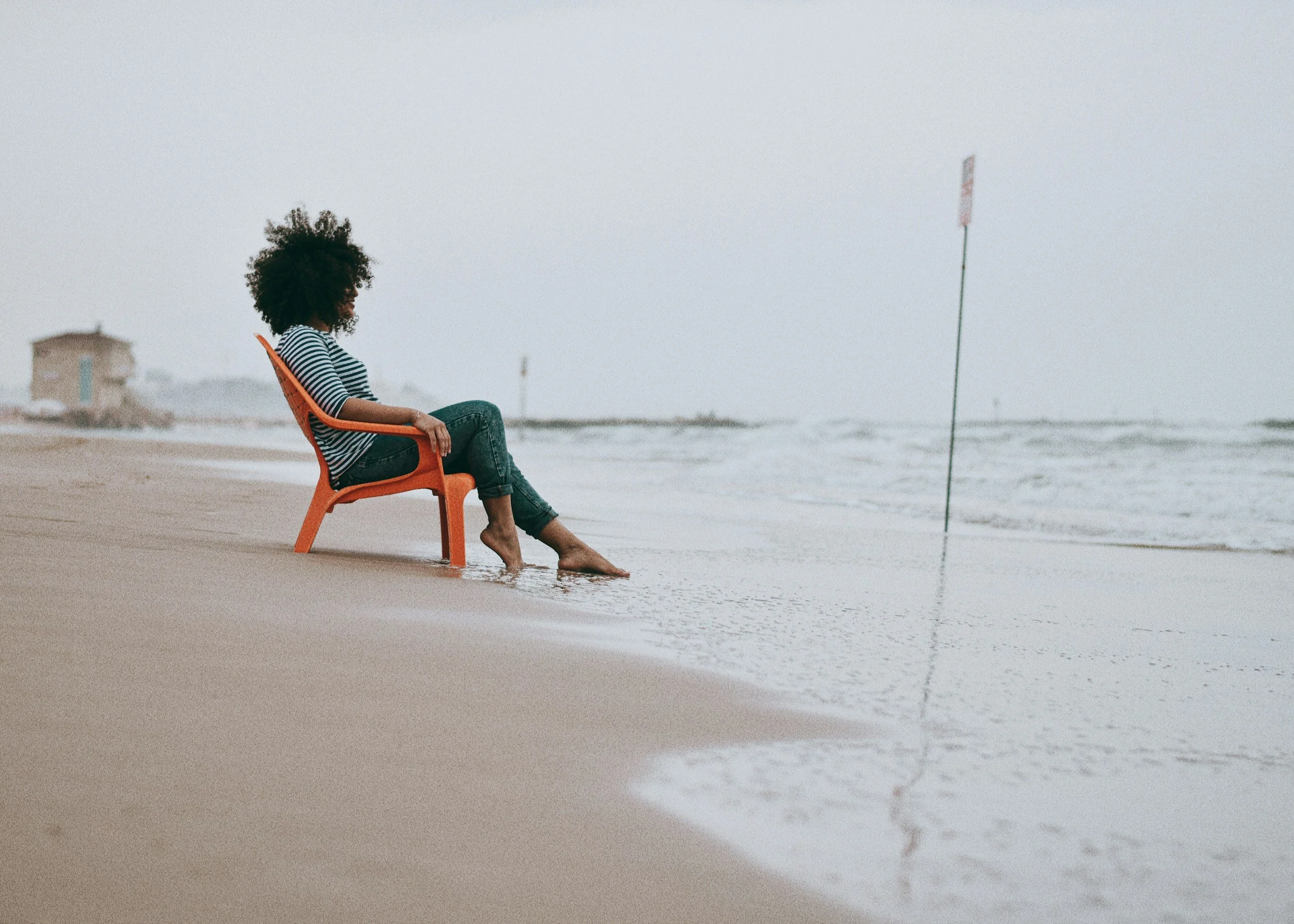
There’s a certain freedom in realizing you don’t have to wait for someone else to be ready to go.
No coordinating schedules. No agreeing on a budget. No negotiating the itinerary. No hoping the group chat actually makes it out of the group chat.
You choose the destination. You decide how you spend the day. You eat when you’re hungry, rest when you’re tired, change your plans when something better comes along, and experience the trip at your own pace.
If solo travel has been on your mind, your first trip doesn’t have to be complicated.
Start somewhere that feels right for you and build from there.
Start With a Trip That Feels Manageable
Your first solo adventure doesn’t have to begin with an international flight.
A day trip can help you get comfortable exploring on your own. An overnight stay gives you a little more independence without requiring a major commitment. A weekend away can be enough time to settle in and experience what traveling solo actually feels like.
Starting closer to home also gives you the chance to learn your travel style.
How much do you like to plan? Do you enjoy eating alone? Are you comfortable navigating a new city? Do you prefer a busy itinerary or plenty of downtime?
Each experience teaches you something that can make the next trip easier.
Choose Your First Destination Intentionally
A destination can look incredible online and still be a poor fit for your first solo trip.
Think about how easy it will be to navigate once you arrive. Look at transportation options, walkability, the location of the places you want to visit, and how you'll get back to your accommodations in the evening.
Consider language and cultural differences for international travel, along with entry requirements and access to reliable transportation.
The goal is to choose somewhere that allows you to spend more time enjoying the experience and less time figuring out basic logistics.
Research Beyond the Highlight Reel
TikTok, Instagram, YouTube, travel blogs, online reviews, AI tools, and travel communities can all help you discover destinations and build an itinerary.
Use them as starting points.
Then dig deeper.
Check current information from tourism sites, transportation providers, hotels, attractions, and government travel resources where appropriate. Read recent traveler reviews and look for recurring concerns as well as recommendations.
For Black women, firsthand experiences from other Black travelers can provide additional context that a traditional destination guide may overlook. Search for perspectives on neighborhoods, accommodations, cultural experiences, discrimination concerns, and how Black travelers describe feeling in the destination.
A beautiful destination is only one part of choosing where you want to spend your time and money.
Know Where You’re Staying Before You Book
A beautiful hotel room won't help much if the location makes everything you want to do difficult to reach.
Research the neighborhood as carefully as the property.
Look at how you'll get around, what's nearby, what the area is like after dark, recent guest reviews, front-desk availability, and the route between your accommodations and the places you're planning to visit.
For your first solo trip, convenience can be worth paying a little more for.
Being able to walk to dinner, easily get transportation, or return to your accommodations without a complicated journey can make the whole experience more comfortable.
Make a Safety Plan
Solo travel gives you freedom, and being prepared helps you enjoy that freedom with greater confidence.
Share your itinerary and accommodation information with someone you trust. Keep copies of important travel documents somewhere separate from the originals. Have access to more than one form of payment. Know how you're getting from the airport or station to your accommodations before you arrive.
Keep your phone charged and consider carrying a portable charger. Save important addresses and contact information somewhere you can access even if you lose internet service.
For international travel, learn the local emergency number and check current U.S. State Department travel information before leaving.
Pay attention to your surroundings and trust yourself when something doesn't feel right. You can leave, change plans, call for transportation, ask for help, or return to your accommodations.
A plan can always be changed.
Plan Enough to Give Yourself a Foundation
You don't need an hour-by-hour itinerary, but arriving with absolutely no plan can create unnecessary work once you're there.
Choose a few things you really want to experience. Make reservations for anything that requires them. Save places you're interested in and group them by neighborhood when possible.
Know how you'll get around and check opening hours before you head out.
Then leave room for discovery.
Solo travel makes changing your mind remarkably easy. You can stay at the museum longer, skip the attraction that no longer sounds interesting, stop for dessert, take an afternoon nap, or completely rearrange the day.
Your itinerary works for you.
Get Comfortable Eating Alone
For some first-time solo travelers, eating alone feels more intimidating than getting on the plane.
It gets easier.
Start with breakfast or lunch if dinner feels like too much. Sit at the bar or counter if that feels more comfortable. Bring a book. Choose a restaurant where you're genuinely excited about the food.
And eventually, try putting the phone away for a while.
Order what you want. Take your time. Enjoy your meal. Watch what's happening around you.
A table for one is still a table worth enjoying.
You Can Be Solo Without Spending the Entire Trip Alone
Traveling solo doesn't require being alone every minute.
Walking tours, cooking classes, museum tours, excursions, food tours, workshops, group hikes, and other activities can add some social time to your trip while still allowing you to travel independently.
They can also make certain experiences easier to access, particularly when transportation or local knowledge is helpful.
You get to decide how much interaction feels good.
Then when the activity ends, the rest of the day is yours again.
Expect a Few Awkward Moments
Your first solo trip may include moments when you feel very aware that you're alone.
Walking into a busy restaurant. Sitting at a bar. Asking someone to take your picture. Arriving at an event where everyone seems to know somebody.
Give yourself a little time.
Most people are paying far less attention to you than you think, and every unfamiliar experience becomes more familiar once you've done it.
You also don't have to prove anything. If an activity doesn't feel right once you're there, leave. If you're tired, rest. If you want company, find a group experience. If you're having a wonderful time by yourself, keep going.
There is no solo-traveler test to pass.
Figure Out What Kind of Traveler You Are
One of the best things about traveling alone is discovering how you actually like to travel when nobody else's preferences are influencing the itinerary.
Pay attention.
Do you love waking up early and exploring before the crowds arrive?
Would you happily spend half the day at a museum?
Is the restaurant list more important than the sightseeing list?
Do you want adventure, nightlife, wellness, nature, culture, shopping, or a little of everything?
Do you need more downtime than you expected?
Those answers are useful.
Your first solo trip doesn't need to establish your permanent travel style. It simply gives you the opportunity to start discovering it.
Take the Picture
You're allowed to come home with photos of yourself from the trip.
Ask another traveler to take one. Offer to take theirs in return. Use a small tripod or phone stand where they're permitted. Book a local photographer for an hour if having beautiful travel photos matters to you.
And take plenty of pictures that have nothing to do with posting them anywhere.
The view from your room. The meal you loved. A beautiful building. The street you wandered down. Something that made you laugh.
They're your memories.
Capture what you want to remember.
Give Yourself Permission to Change the Plan
The restaurant isn't what you expected.
It starts raining.
You're exhausted.
The activity you booked suddenly sounds like work.
Something better comes up.
Change the plan.
Solo travel gives you a level of flexibility that's harder to find when several people are coordinating a trip.
Use it.
There is no prize for completing the itinerary exactly as you planned it.
Come Home Knowing More Than You Did Before
Your first solo trip will teach you things.
Some will be practical: how lightly you really need to pack, how much downtime you prefer, what kind of accommodations make you comfortable, or which travel apps are worth keeping.
Others will simply help you plan the next experience better.
Keep the places you loved. Make a note of what you'd do differently. Save the destination you heard about while you were there.
Then decide whether you want to do it again.
A weekend nearby might lead to a trip across the country. A domestic trip might give you the confidence to travel internationally. Or you may discover that short solo getaways are exactly your speed.
You get to decide where you go from here.
Where Will You Go First?
You don't have to wait for everyone's schedules to align before visiting somewhere you want to experience.
Start with a destination that interests you. Do your research. Make your plans. Take reasonable precautions. Give yourself room to explore.
Then go.
Your first solo trip doesn't have to prove how adventurous or independent you are.
It just has to be somewhere you want to go.