
Why Restful Sleep Matters More Than You May Think
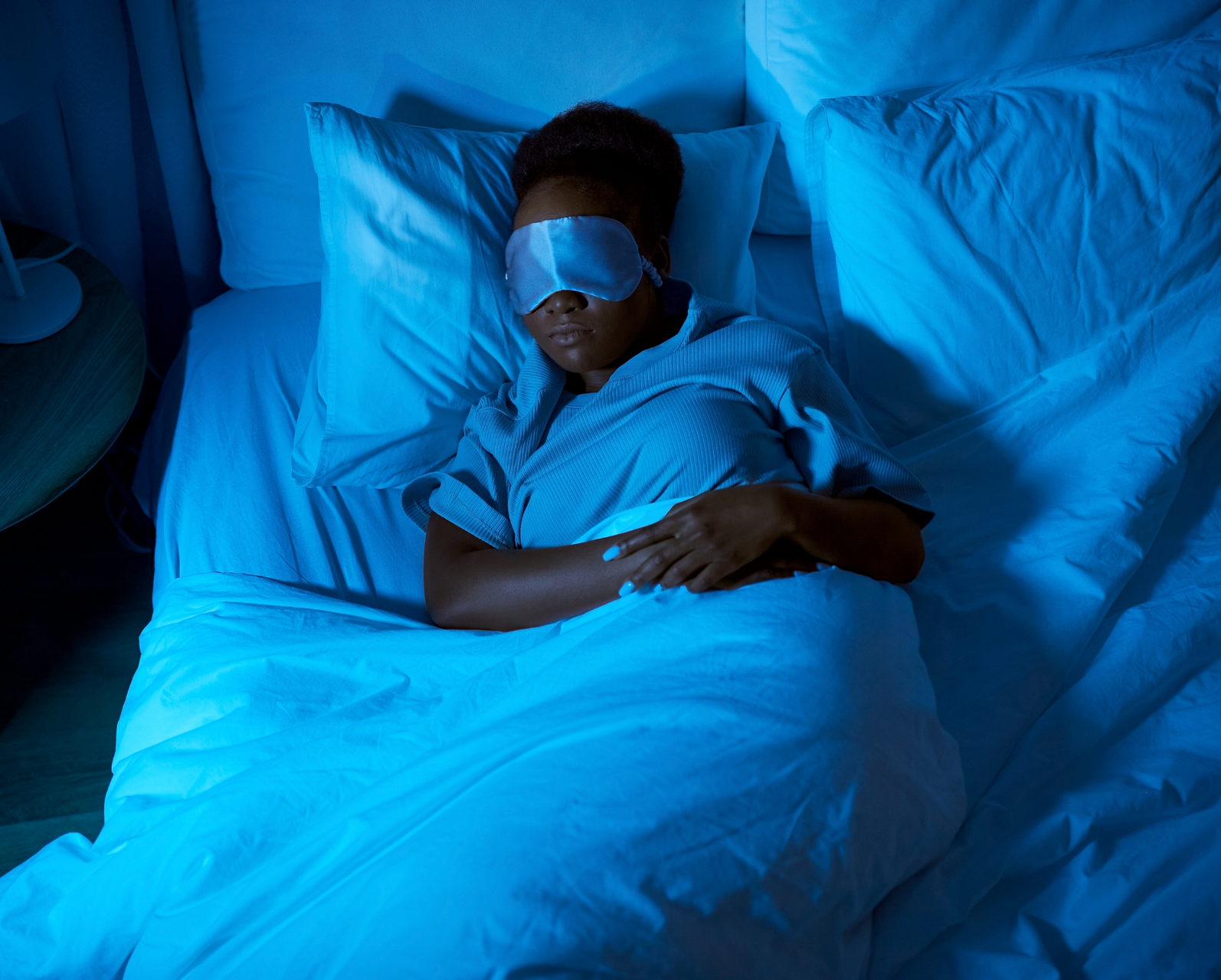
Sleep can be easy to treat like leftover time.
You get through the workday, take care of home, handle what other people need, finish a few things you didn't get to earlier, squeeze in a little time for yourself, and then sleep gets whatever hours remain.
But sleep isn't simply the part of the day when you're doing nothing.
While you sleep, your body and brain are doing important work that supports how you think, feel, function, and recover. Consistently getting enough quality sleep supports everything from concentration and mood to immune function, metabolism, cardiovascular health, and physical recovery.
In other words, sleep isn't time taken away from your life.
It's part of what helps you function well within it.
Your Body Is Still Working While You Sleep
You may be unconscious, but your body isn't off duty.
Throughout the night, you cycle through different stages of sleep, including non-REM and REM sleep. These stages serve different functions, and getting adequate, uninterrupted sleep gives your body an opportunity to move through them repeatedly.
During sleep, your body supports tissue repair and recovery, immune function, hormone regulation, and other processes necessary for maintaining your health.
Your brain is busy too.
Sleep plays an important role in learning and memory, helping your brain process and consolidate information from the day. It also supports attention, problem-solving, decision-making, and emotional regulation.
That's one reason a bad night's sleep can show up in so many places the following day.
You Can Feel the Difference in Your Mind
You probably don't need a study to tell you that everything can feel a little harder when you're tired.
Concentrating takes more effort.
Your patience may be shorter.
Making decisions can feel more difficult.
You may feel more emotionally reactive or simply less equipped to deal with the normal demands of your day.
Sleep and mental well-being are closely connected. Insufficient or poor-quality sleep can affect mood and emotional regulation, while stress and mental health concerns can also make it more difficult to sleep.
That relationship can create a frustrating cycle: you're stressed, so you don't sleep well. Then you're tired, which makes dealing with stress even harder.
Sleep won't remove the things creating stress in your life. But being adequately rested can give your mind and body more resources for responding to them.
Sleep Supports Your Physical Health Too
The effects of sleep extend well beyond how tired you feel.
Consistently getting insufficient sleep has been associated with increased risk for several chronic health conditions, including cardiovascular disease, high blood pressure, type 2 diabetes, and obesity.
Sleep also affects processes involved in appetite, glucose metabolism, immune function, and cardiovascular health.
That doesn't mean one late night is going to damage your health.
Health is shaped by many factors, and an occasional short night is part of life. The concern is what happens when inadequate sleep becomes your normal.
Over time, repeatedly asking your body to function without enough opportunity for rest and recovery can take a toll.

Restful Sleep Is About More Than Hours
Most adults need at least seven hours of sleep each night, although individual needs can vary.
But duration is only part of the picture.
Seven or eight hours in bed doesn't necessarily mean seven or eight hours of restorative sleep.
Quality matters too.
Restful sleep generally means you're able to fall asleep and stay asleep well enough to move through the sleep stages your body needs, then wake feeling reasonably refreshed and able to function during the day.
Frequent waking, difficulty falling asleep, waking much earlier than intended, or consistently waking exhausted can leave you feeling poorly rested even when you've technically spent enough time in bed.
That's why the better question isn't always- How many hours did I sleep?
It can also be:
How do I feel when I'm awake?
Your Body May Be Telling You It Needs More Rest
Sometimes the signs are obvious. You're struggling to keep your eyes open or counting the hours until you can get back into bed.
Other signs can be easier to overlook.
You may notice that you're:
Having trouble concentrating
More irritable or emotional than usual
Forgetting things
Struggling to make decisions
Relying heavily on caffeine to get through the day
Feeling sleepy during quiet activities
Having difficulty getting started in the morning
Sleeping significantly longer whenever you finally have the opportunity
Instead of automatically pushing through those signals, consider what your body may be asking for.
Sometimes the answer really is more rest.
You Can't Always "Catch Up Later"
Sleeping longer after a period of insufficient sleep can help reduce some sleepiness, but regularly shortchanging sleep and hoping to make all of it up on the weekend isn't the same as consistently getting adequate rest.
Your body benefits from regularity.
Going to bed and waking around similar times helps support your circadian rhythm, the internal system that helps regulate when you feel awake and when you feel sleepy.
Life won't always cooperate with a perfect sleep schedule. Travel happens. Deadlines happen. Babies wake up. Work schedules change. Celebrations run late. Sometimes you simply choose to stay up because you're having a good time.
The goal isn't perfection.
It's to stop making inadequate sleep the default whenever something else wants your time.
Rest Doesn't Have to Be Earned
This may be one of the more important mindset shifts around sleep.
It's easy to think:
I'll go to bed when I finish everything.
But everything is rarely finished.
There will almost always be another email to answer, dish to wash, show to watch, task to complete, person to check on, or thing you could prepare for tomorrow.
If sleep only happens once nothing else needs your attention, it will continually move to the bottom of the list.
Rest is one of the ways you care for the body carrying you through all of those responsibilities.
You don't need to be completely depleted before you're allowed to stop.
Start Protecting Your Sleep
Getting more restful sleep doesn't require creating the perfect nighttime routine overnight.
Start by looking at what's actually getting in the way.
When Better Sleep Habits Aren't Enough
Sometimes trouble sleeping isn't something a better routine can solve.
Talk with a healthcare professional if you're regularly struggling to fall or stay asleep, consistently waking exhausted despite allowing enough time for sleep, experiencing significant daytime sleepiness, snoring loudly, waking gasping or choking, or noticing that sleep problems are interfering with your daily life.
Conditions such as insomnia and sleep apnea can require proper evaluation and treatment.
You don't have to keep pushing through exhaustion without finding out why you're so tired.
Give Rest Its Place
We spend a lot of time talking about what our bodies need us to do.
Move more.
Eat well.
Drink water.
Manage stress.
Keep our doctor’s appointments.
Take care of ourselves.
Sleep belongs on that list.
Getting restful sleep isn't a guarantee that every morning you'll wake up energized and ready to conquer the world. Some days you'll still be tired. Some nights won't go according to plan.
But consistently giving your body adequate opportunity to sleep is one of the foundational ways you support your health and well-being.
Tonight, everything may not be finished.
You can still be done for the day.